Can you trust the Bible and the resurrection?
You can trust the Bible, and the evidence that Jesus rose from the dead is strong. This site shows you that evidence one piece at a time, with sources you can check yourself.
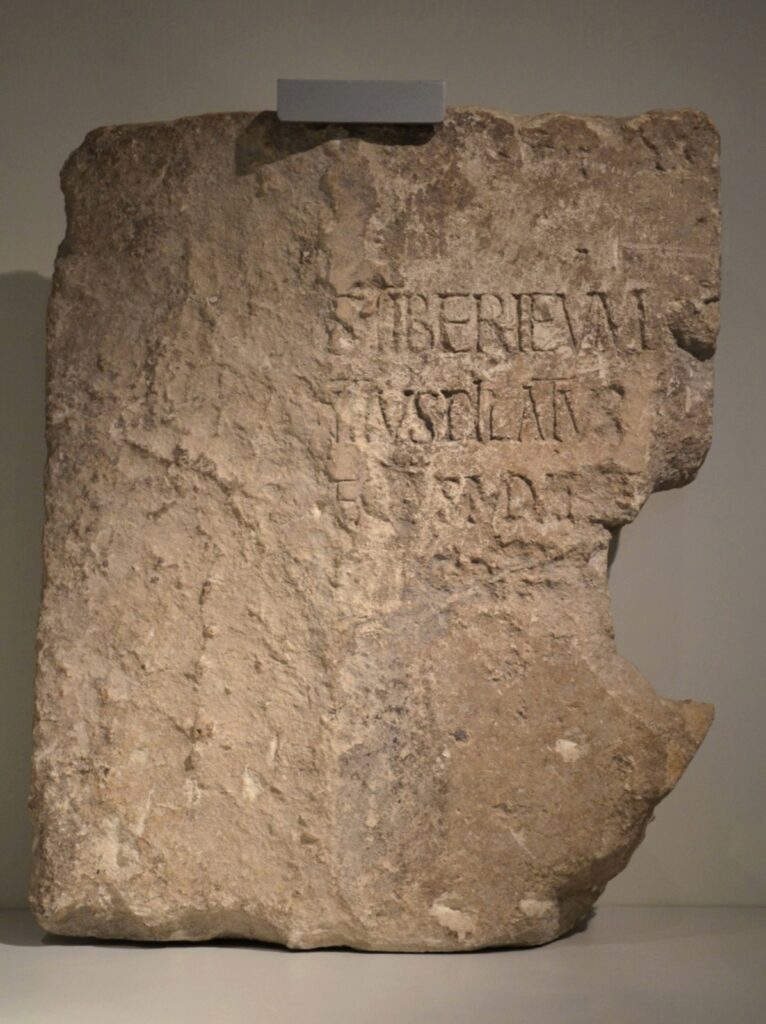

| What it is | A limestone block with a Latin building inscription, about 82 cm (2.7 feet) tall |
|---|---|
| Date | AD 26-36, the years Pilate governed Judea |
| Found | 1961, at Caesarea, reused as a step in the Roman theater |
| What it shows | The governor in the Gospels was real and held power in Judea. |
| What it doesn’t show | It doesn’t mention Jesus. There’s no trial or crucifixion on the stone. |
Start with something you can see
In 1961, archaeologists at Caesarea found a stone block with the name of Pontius Pilate, the Roman governor who sentenced Jesus. It calls him “prefect of Judea.”1 The Roman historian Tacitus wrote that Christus “suffered the extreme penalty during the reign of Tiberius at the hands of one of our procurators, Pontius Pilatus.”2
I believe the Bible is God’s Word and that Jesus rose from the dead. I also think the case is strong enough to show you the hard questions. Every page gives the short answer first, then the evidence, the strongest objection, and where to read more.
How this site works
Every claim points to a source you can read yourself. Quotes are checked word for word. When scholars disagree, the page says so. How sources are checked has the rules, and About says who writes this.
The Bible
Its text was copied with care for over 1,000 years, and archaeology keeps finding the people it names.
Jesus
Roman and Jewish writers confirm he lived and was executed under Pilate. What happened on the third day is the question that matters most.

The evidence in time
Some of this evidence is very old. Some of it comes from within a few years of the events it describes. Here’s where each piece falls.
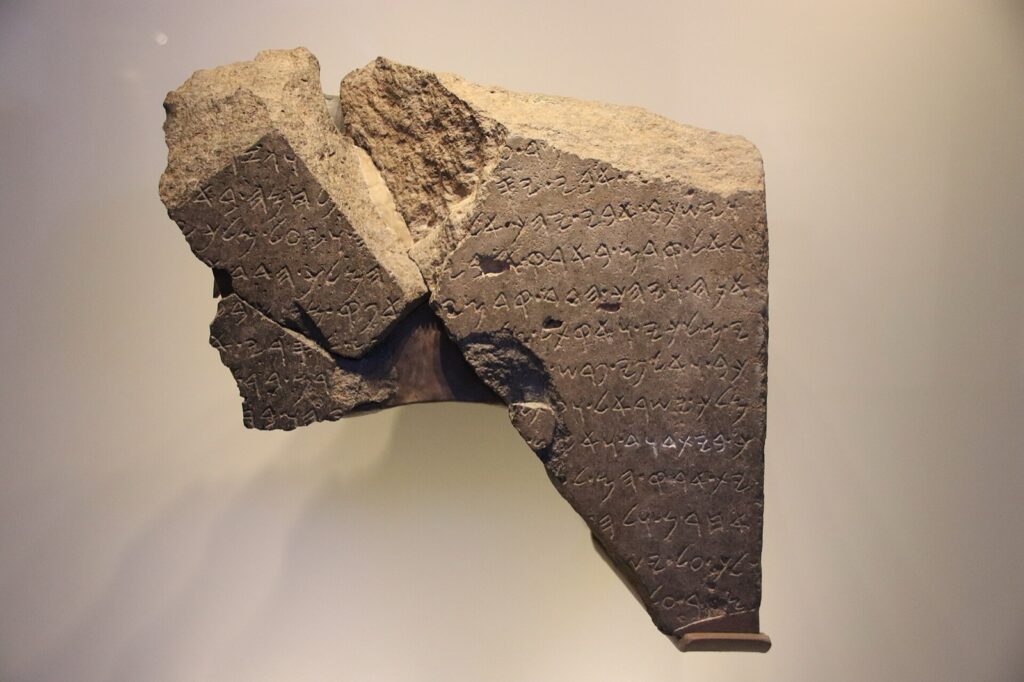
- c. 842 BC The Tel Dan Stele. An Aramean king names Judah’s royal family “the house of David.”
- About 700 years
- c. 125-100 BC The Great Isaiah Scroll. The whole book of Isaiah, copied before Jesus was born.
- More than a century
- AD 26-36 Pontius Pilate governs Judea, and Jesus is crucified. The Pilate Stone names Pilate as prefect.
- Within a few years
- Mid-30s AD Paul receives the summary of the faith he later passes on in 1 Corinthians 15: Christ died, was buried, was raised, and appeared to witnesses.
- About 20 years
- Mid-50s AD Paul writes 1 Corinthians, naming witnesses who were still alive.
- About 60 years
- c. AD 116-120 Tacitus, a Roman historian, reports that Christus was executed under Pilate.
Dates and sources are on each linked page.
If someone you love is asking
Maybe it’s your son, your friend, or your spouse, and you don’t know where to start. The Shelf has books and resources picked for people asking questions, and for the people who love them. Each one comes with a note on who it’s for.
Sources
- Lawrence Mykytiuk, “30 People in the New Testament Confirmed,” Biblical Archaeology Society, accessed Oct. 10, 2026. ↩︎
- Tacitus, Annals 15.44, trans. Alfred John Church and William Jackson Brodribb, Perseus Digital Library. ↩︎